HighRiskHomeowners.com
    AZ

    Arizona High-Risk Home Insurance

    Connect with licensed agents in Arizona who specialize in high-risk properties, nonrenewals, and difficult-to-place coverage.

    Arizona high-risk homeowners insurance
    HighRiskHomeowners.com Team
    Updated October 19, 2025
    9 min read

    What "High‑Risk" Means in Arizona—and How We Help

    If your Arizona home has been declined, non‑renewed, or quoted far above expectations, "high‑risk" simply means an insurer sees elevated exposure—wildland‑urban interface (WUI) wildfire, monsoon downbursts and dust storms (haboobs), flash‑flooding from slow‑moving thunderstorms, older roofs/systems, repeated small claims, or a coverage lapse—that falls outside standard rules. That does not make your home uninsurable; it means we must match your property to the right underwriting appetite, fix the items constraining eligibility, and document those fixes clearly so underwriters can price the true risk. Arizona does not operate a homeowners FAIR Plan—PIPSO's national roster lists plan members by state and excludes Arizona—so our playbook focuses on strengthening your risk for admitted carriers or using regulated surplus‑lines as a bridge.

    Arizona High‑Risk Homeowners Insurance Breakdown

    Monsoon season brings lightning, microbursts/downbursts, dust storms, and localized flash flooding; NWS Phoenix and Tucson emphasize that downburst winds of 40–60+ mph, dust‑storm visibility drops, and intense rain over small basins can cause rapid damage even far from the storm core. Those hazards—plus periodic out‑of‑season storm clusters—explain why roof condition, opening protection, drainage, and documentation sit at the center of Arizona underwriting. We use NWS monsoon safety guidance and recent event summaries to prioritize improvements that reduce frequency and severity.

    Wildfire is the other pillar. Arizona's Department of Forestry and Fire Management (DFFM) and Firewise materials lay out practical "home ignition zone" steps: noncombustible ground cover within the first few feet of walls, ember‑resistant vents or 1/8‑inch metal mesh, Class A roofing, cleared decks/eaves, and routine roof/gutter clean‑outs; these are visible controls that underwriters can credit. We align your mitigation to those checklists and photograph the work, which often turns a borderline file into "approve with conditions."

    Finally, flood is its own policy decision. Homeowners policies don't cover flood; NFIP/private flood is purchased separately, and both FEMA and Arizona's insurance department highlight the typical ~30‑day waiting period before new NFIP policies take effect, which makes timing critical ahead of monsoon bursts. We layer homeowners and flood so triggers, deductibles, and exclusions interlock without gaps.

    What Can Make a Home "High‑Risk" in Arizona?

    Wildfire, Wind/Dust, and Water

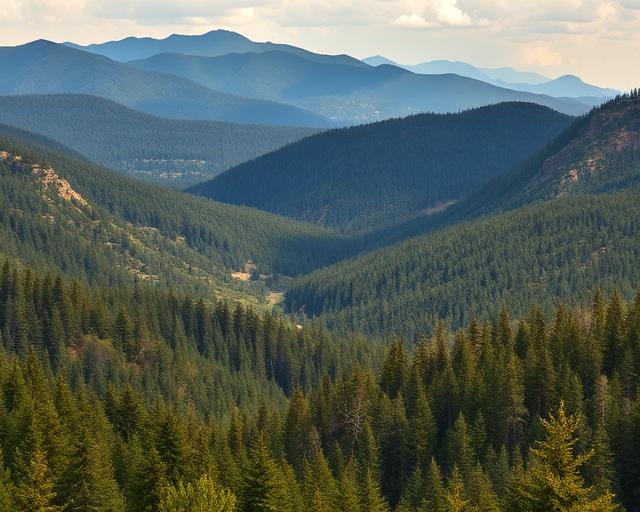
    Homes near fuels (pine, chaparral, riparian brush) draw WUI scrutiny for defensible space, vent screening, deck/siding clearances, and debris removal. Monsoon downbursts and dust storms stress roofs, soffits, doors, and window assemblies and raise claims from wind‑driven rain and debris impacts; city and county pages echo that desert soils shed water quickly, compounding flash‑flood risk. Parcels with short downspouts, flat grades, or finished basements (in older neighborhoods) need stronger interior protections to avoid frequent losses.

    Age and Condition of Key Systems

    Legacy electrical panels, older wiring, and dated plumbing elevate fire/leak risk and typically prompt inspection requirements. A roof near end‑of‑life—granule loss, lifted shingles, soft decking—usually must be repaired or replaced before binding. Permit‑finaled system upgrades with clear photos materially improve acceptability and price. Learn more about insurance nonrenewal in our glossary.

    Occupancy, Use, and Access

    Carriers rate primary residences, rentals, short‑term rentals, seasonal cabins, and mid‑renovation properties differently, and those differences can decide accept vs. decline. Rural/foothill parcels with long response times need wide, marked access and visible addressing; slopes and shared driveways raise additional questions. Solid‑fuel appliances, outbuildings, and on‑site fuel storage add underwriting questions and safety expectations.

    Claims History and Coverage Gaps

    Several small losses in a short span can weigh as much as one large claim because frequency predicts future loss. Underwriters confirm that prior wind/water or fire losses were professionally repaired and that maintenance continues. A lapse in coverage tightens options since continuous insurance is a common eligibility threshold.

    How Underwriters Evaluate Arizona Properties

    Wildfire Hardening—Home Ignition Zone

    Underwriters look for a noncombustible 0–5‑foot zone, ember‑resistant vents/mesh at 1/8‑inch, clean roofs/gutters, and Class A roofing; DFFM/Firewise checklists spell out each step. We stage photos so improvements are obvious at a glance (foundation perimeter, vents/eaves, deck undersides, roof planes, and fuel breaks). This documentation routinely shifts borderline files to "approve with conditions."

    Roof Standards, Wind/Water Readiness, and Documentation

    Expect requests for roof age, material, and workmanship supported by photos, and when helpful, a roofer's letter or inspection. Correct flashing, sealed penetrations, drip edge, and balanced ventilation reduce wind‑driven water entry and shingle edge lift; event summaries from NWS Phoenix show how microbursts topple trees and overwhelm weak points. We assemble a concise roof packet (eaves/valleys, ridge, flashing, attic views) so condition is obvious.

    Dust Storms and Access

    Monsoon dust storms (haboobs) reduce visibility to near zero and throw debris into weak roof, soffit, and door assemblies; NWS warns drivers to pull fully off the road as wind gusts spike. At the home level, reinforced garage doors and tight weather seals help keep the envelope intact when shingles or siding are compromised. We photograph garage‑door bracing, soffits, and porch‑roof connections because they are high‑leverage fixes.

    Flood and the 30‑Day Waiting Period

    NFIP policies typically start about 30 days after purchase (with limited exceptions), so timing matters—especially when forecasts hint at active monsoon patterns. State and county pages in Maricopa and Pinal also emphasize the waiting period and the risk from "dry" washes that fill quickly. We schedule flood purchases early and align limits/deductibles with your lender and risk tolerance.

    Coverage Pathways for High‑Risk Arizona Homes (No FAIR Plan)

    Standard Admitted Markets—After Targeted Mitigation

    Many carriers reconsider once the main blocker—wildfire housekeeping, roof condition, or chronic water intrusion—is addressed and photographed. We present improvements in underwriter‑ready language to convert a borderline file into "approve with conditions." This route usually delivers the best blend of breadth, deductibles, and price.

    Surplus‑Lines (Non‑Admitted) and Specialty Solutions

    Surplus‑lines carriers fit unique construction, WUI exposures, short‑term rentals, or mid‑renovation properties outside admitted rules. These can be tailored but may include different deductibles or sublimits; we review terms for lender compliance and claim‑time expectations. Once your file strengthens, we re‑approach admitted markets to consolidate coverage. Learn more about surplus lines insurance.

    Dwelling Policies (DP) as a Bridge

    When a full homeowners (HO) form isn't feasible immediately, a DP‑3 can provide open‑peril building coverage with endorsements like water backup or ordinance and law while upgrades are completed. This helps cabins/seasonals, properties mid‑repair after a claim, or homes converting to rental. We align the interim policy with your end goal so you aren't over‑paying for a stopgap.

    Separate Policies and Endorsements That Matter in Arizona

    • Flood (NFIP/private): Homeowners policies exclude flood; NFIP coverage typically starts ~30 days after purchase, with narrow exceptions.
    • Water Backup: Adds protection for sump/overflow or sewer backup, often excluded or sublimited on base forms.
    • Service Line / Ordinance & Law / Equipment Breakdown: Endorsements that address common gaps and reduce frequency and severity.

    Steps to Improve Eligibility and Price—In the Right Order

    Quick Wins (Low Cost, High Impact)

    Create a 0–5‑foot noncombustible zone (gravel/pavers), clean roofs/gutters, and screen vents (ember‑resistant or 1/8‑inch metal mesh). Extend downspouts, re‑seal exterior penetrations, and replace brittle supply lines; add leak sensors near water heaters, under sinks, and by washers. Capture date‑stamped photos of roof edges/valleys/flashings, vents/eaves, mechanicals, the electrical panel, and repaired areas. Visit our How It Works page to learn more about our process.

    Medium Projects (Unlock More Markets)

    Replace an aging roof with proper flashing, drip edge, and balanced ventilation; document materials and workmanship. Reinforce or replace garage doors and secure soffits/porch roofs to resist downburst winds; anchor awnings/outbuildings to reduce debris hazards. Add a battery‑backed sump, a high‑water alarm, and (where appropriate) a backwater valve to cut interior water severity during convective bursts.

    Long‑Term Resilience (Protect Value and Stability)

    Plan remodels with ignition‑resistant materials and adequate siding/ground clearance; widen/clear driveways for responder access in WUI canyons. Use city/county flood resources to route runoff and avoid low‑water crossings; buy flood early to clear the waiting period before peak storms. Keep a seasonal checklist (gutters, sump tests, vent cleaning) we can show at renewal to document ongoing care.

    Documentation Checklist

    • Before/after photos and contractor invoices for roof, vents/defensible space, drainage, electrical/plumbing, and structural work.
    • Permit finals and any roofer/engineer letters (structural or WUI changes).
    • Maintenance logs for gutters, sump tests, and HVAC service.
    • Inspection reports and a brief summary of any claim‑related repairs.

    How to Get an Accurate Quote

    Information to Gather

    Share your address, roof age/material, venting/opening details, defensible‑space actions, drainage improvements, and a short claims history. Include clear photos of exterior elevations, roof edges/penetrations, the electrical panel, and mechanicals, plus repair documents. If flood is on your radar, tell us your desired limits/deductible so we can plan around the ~30‑day NFIP wait.

    What to Expect From Our Process

    We assess your profile against current guidelines and shop admitted carriers first; when needed, we use regulated surplus‑lines as a bridge since Arizona has no FAIR Plan. You receive side‑by‑side options with deductibles and endorsements explained in plain English, plus any conditions required to bind. If improvements would broaden choices or lower premium, we prioritize the steps with the strongest return.

    Alignment With Arizona Consumer Resources

    We incorporate DFFM/Firewise guidance for wildfire and DIFI/FEMA flood guidance (including the waiting period) so your coverage design matches real risks and timelines. When a carrier's decision hinges on a repair or document, we turn it into a clear action list and help you verify completion. Our aim is durable placement—coverage you can keep—rather than a quote that fails at inspection.

    Common Arizona Scenarios and Practical Outcomes

    WUI Hillside Home Above a Wash

    A primary residence shows combustible mulch at siding, open gable vents, and needles in gutters. We create a 0–5‑foot noncombustible zone, add ember‑resistant vents, clean the roof/gutters, and document defensible space; an admitted option replaces a decline, with a manageable wind/hail deductible after verification. Flood is added early to clear the waiting period in case of monsoon bursts.

    Metro Phoenix Two‑Story After Microburst Damage

    A 16‑year architectural roof has tree impact and flashing gaps following a downburst. We complete a roof tune‑up, reinforce the garage door, and add leak sensors; multiple admitted options appear as the photo packet resolves inspection concerns. The owner chooses a deductible structure they can actually fund after seeing dollars modeled from recent event scenarios.

    Townhome Near a Flood‑Control Basin

    A townhome HOA sits near a basin that can fill during heavy rains. We document downspout extensions, seal penetrations, and an interior high‑water alarm; the HO‑6 binds with a water‑backup endorsement and separate NFIP flood timed to clear the wait. Renewal stabilizes after a clean season.

    Share This Article

    Frequently Asked Questions

    Common questions about Arizona high-risk home insurance

    Key Points for Arizona Homeowners

    What you need to know about high-risk insurance in Arizona

    We connect Arizona homeowners with licensed agents who understand WUI wildfire, monsoon microbursts/haboobs, and flash-flood risks unique to the Desert Southwest

    Arizona does not operate a homeowners FAIR Plan; success depends on strengthening property for voluntary carriers or using surplus-lines as a bridge

    Defensible space, ember-resistant venting, and monsoon-ready roofs/drainage with clear photo documentation are critical for Arizona underwriting approval

    You Might Be Wondering...

    Common concerns from Arizona homeowners

    "How quickly can I get connected with an agent in Arizona?"

    Most Arizona homeowners are connected with specialists within 24 hours. Our agents understand the urgency of your situation and prioritize quick response times.

    ✓ Same-day connections available

    🏛️

    "Do these agents really understand Arizona's specific risks?"

    Absolutely. Our Arizona specialists deal with local risk factors daily. They understand regional weather patterns, building codes, and market conditions specific to Arizona.

    ✓ Local expertise you can trust

    "What if I've been turned down by multiple companies already?"

    That's exactly why our specialists exist. They work with carriers that other agents don't have access to, including surplus lines markets and specialty programs designed for challenging properties.

    ✓ Access to specialty markets

    Arizona Insurance Market Overview

    Arizona's property insurance market addresses WUI wildfire, monsoon downbursts and dust storms (haboobs), flash flooding, and diverse desert/mountain terrain. Licensed agents help navigate admitted carriers and surplus-lines solutions with wildfire hardening, flood coordination, and wind/dust mitigation.

    Common Risk Factors in Arizona

    • WUI wildfire in pine/chaparral areas requiring defensible space, ember-resistant venting, Class A roofing, and routine debris removal
    • Monsoon microbursts (40-60+ mph winds), haboobs (dust storms), and flash flooding requiring reinforced openings and timed flood coverage
    • Desert soil flash-runoff and wash-overflow risks with NFIP 30-day waiting periods requiring early flood purchase before monsoon peaks
    • Remote/foothill access challenges with long response times requiring wide driveways, visible addressing, and documented improvements

    How Our Process Works

    • 1
      Complete our quick form with your property details
    • 2
      We connect you with agents licensed in your state
    • 3
      Agents evaluate private market options first
    • 4
      If needed, in the states that have one, agents can refer you to FAIR Plan or residual market options

    How We Help Arizona Homeowners

    Professional service tailored to your state

    Licensed Arizona Agents

    All our agents are properly licensed in Arizona and understand local regulations, market conditions, and risk factors.

    High-Risk Expertise

    Our Arizona specialists focus specifically on challenging properties and complex insurance situations.

    Fast Response

    Quick connections and rapid response times to help you secure coverage when you need it most.

    Ready to Find Coverage in Arizona?

    Don't let a high-risk property leave you without protection. Get connected with Arizona specialists who understand your situation.

    Book a meeting after submission
    This is a referral service connecting homeowners with licensed insurance agents. Coverage availability and pricing depend on individual circumstances and underwriting guidelines.