A complete stove and chimney file can make underwriting questions easier to answer.
A wood-burning stove can add comfort, supplemental heat, and resilience during a power outage. It can also prompt more questions when you apply for or renew home insurance. That extra review is not automatically a rejection. It often means the insurer needs a clearer picture of the stove, chimney, installation, maintenance, and how the home is occupied.
The goal is to make your property information complete and consistent. A well-organized file lets you answer follow-up questions without guessing and compare policy conditions before you decide whether coverage fits your home.
Why wood stoves draw underwriting attention
Home insurers consider many property characteristics when setting terms. A wood stove can matter because it introduces a live-fire heat source, a venting system, and a need for ongoing maintenance. The underwriter may look at the appliance itself, but may also need details about the hearth, connector pipe, chimney, liner, clearances, roof penetration, and condition of nearby materials.
Use matters too. A daily heat source may bring different questions than a stove used during outages or occasionally. A primary residence, seasonal cabin, rental, vacant home, or renovation can also be evaluated differently. Carrier rules vary, so no single rule applies to every stove or insurer.
An incomplete answer can create more friction than an older but clearly documented system. If an agent asks about a wood stove, give a straightforward description rather than choosing a label that makes the appliance sound less significant than it is.
Build an appliance record first
Start with facts that identify the unit. Record the manufacturer, model, serial number, approximate age, and approximate installation date. Take clear photographs of the stove, its label, the door, the flue connection, the hearth, and the surrounding area. Keep the owner's manual, installation instructions, purchase receipt, installer invoice, repair records, and earlier inspection reports together.
If the stove came with the home, documentation may be incomplete. Do not invent a date or claim that a prior owner installed it correctly. Instead, say what records you have and what you do not know. A qualified installer, chimney professional, or manufacturer may be able to help identify a unit from available information.
A permanent certification label can be useful information to preserve. It may help identify a wood heater and show that it met applicable emissions requirements when certified. It does not establish that the particular installation is acceptable to an insurer, satisfies local requirements, or will qualify for a particular policy.
Document the whole installation
The appliance is only part of the question. Build a second set of records for the hearth and floor protection, wall and ceiling clearances, connector pipe, chimney or liner, cap, and any venting path through an attic or roof. Include permits, final inspection paperwork, contractor invoices, diagrams, and photographs if you have them.
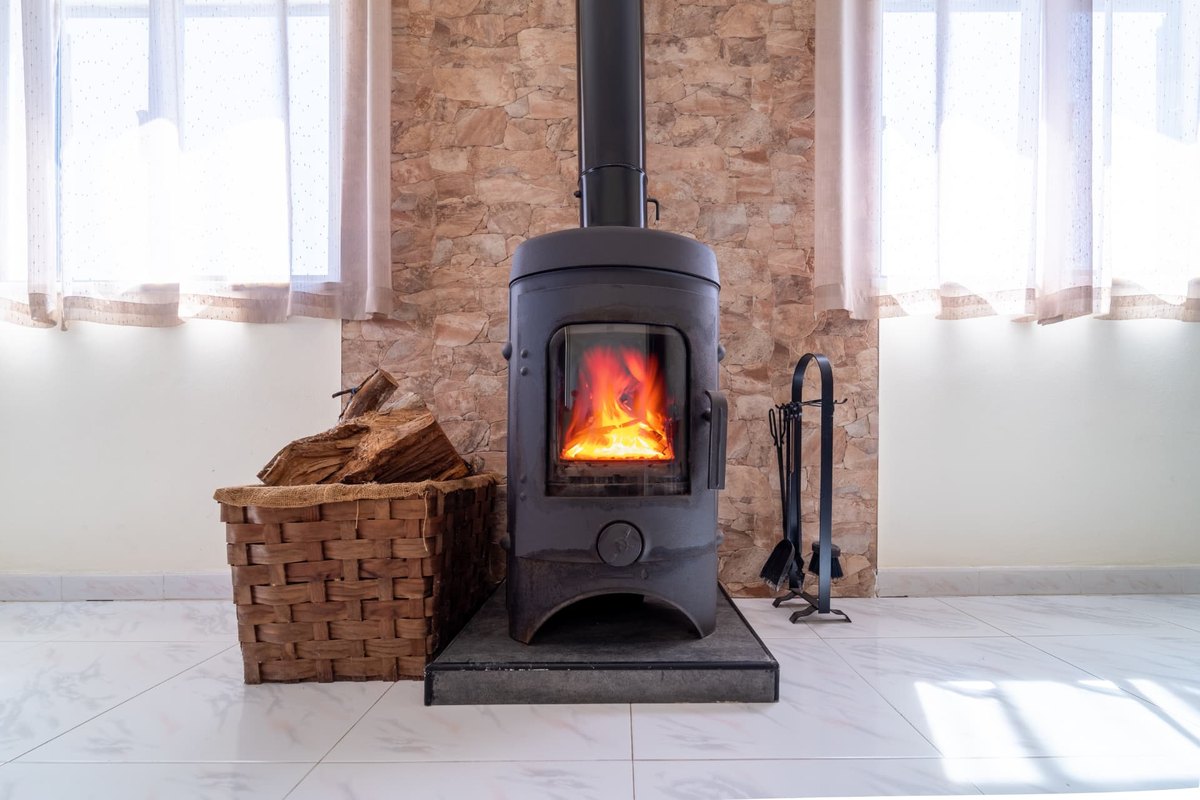
Photographs of the hearth pad and wall protection help document clearances.
Keep remodeling records when work changed the stove area. Do not estimate technical details from memory. Installation instructions and professional observations are more useful than assumptions.
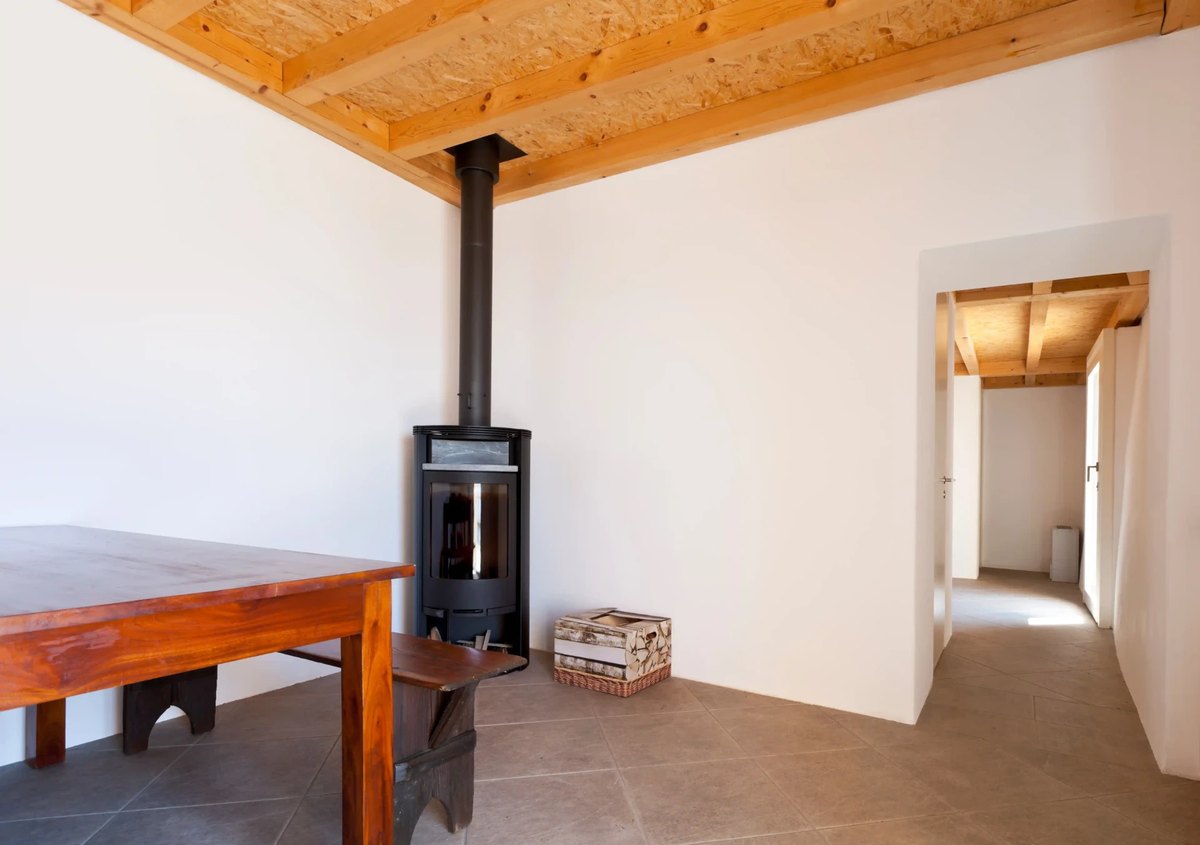
Corner installations make wall and floor clearances an important part of the record.
Local building or fire officials can explain whether permits or inspections apply in your area, especially for a new stove, replacement, chimney change, or major renovation. A permit or passed local inspection can be important documentation, but it is not the same as an insurance approval. Ask the insurer what it needs, then provide records that address its request.
Treat inspection and chimney care as ongoing work
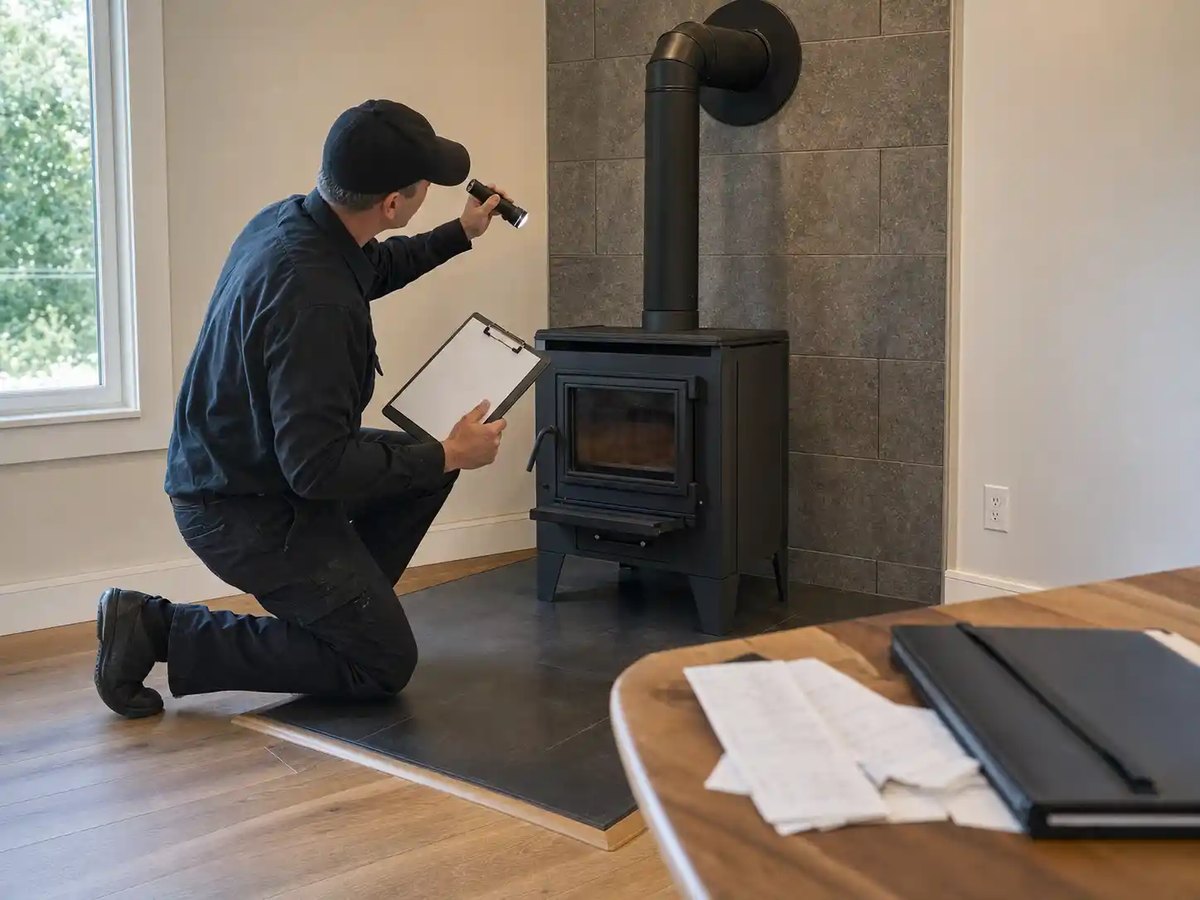
A written inspection record helps document the condition of the full heating system.
Keep the written inspection and cleaning report, not just a payment receipt. A useful report identifies the appliance and flue, describes the review, notes damage or deposits, and states whether follow-up is recommended.
Save invoices for chimney sweeping, cap replacement, masonry work, liner work, and repairs to the stove or connector. When a report recommends a repair, keep both the recommendation and evidence that the work was completed. If work remains pending, say so honestly rather than presenting an old report as proof that the system is currently ready for use.
Put safety ahead of the insurance file. Smoke entering the home, a damaged connector, a cracked component, unusual odor, or a concern about the venting system deserves prompt attention from a qualified professional. Continuing to use a system that appears unsafe can put people at risk and complicate the conversation with an insurer later.
Use habits that support a safer home
Safe operation is daily work, not paperwork. Keep furniture, firewood, rugs, and other combustibles well away from the stove. Follow the stove manufacturer's instructions for loading and operation. Keep the door closed except when loading or tending the fire, and put the fire out before leaving the home or going to sleep.
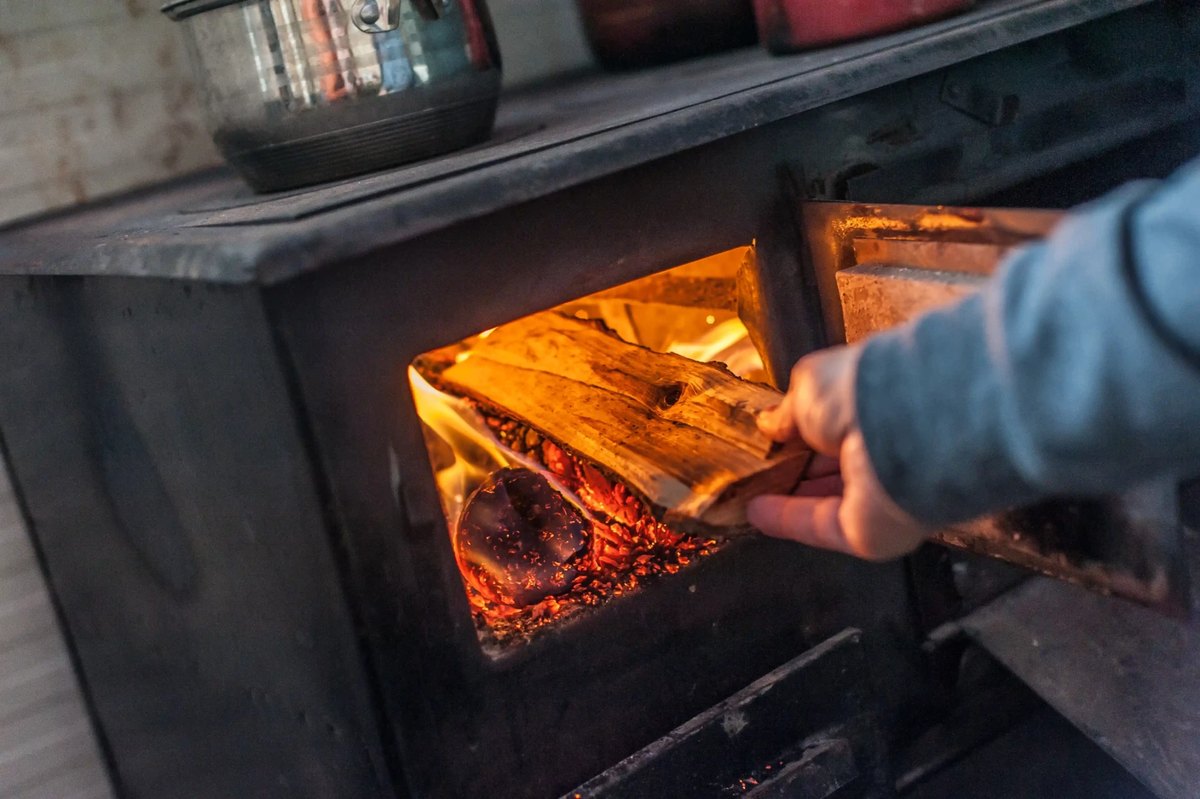
Loading and tending the stove as the manufacturer instructs supports safe daily use.
Use a covered metal container for ashes and place it outside, away from the home and other combustible materials. Never use a plastic bin, cardboard box, or indoor trash can. Check smoke and carbon monoxide alarms on schedule.
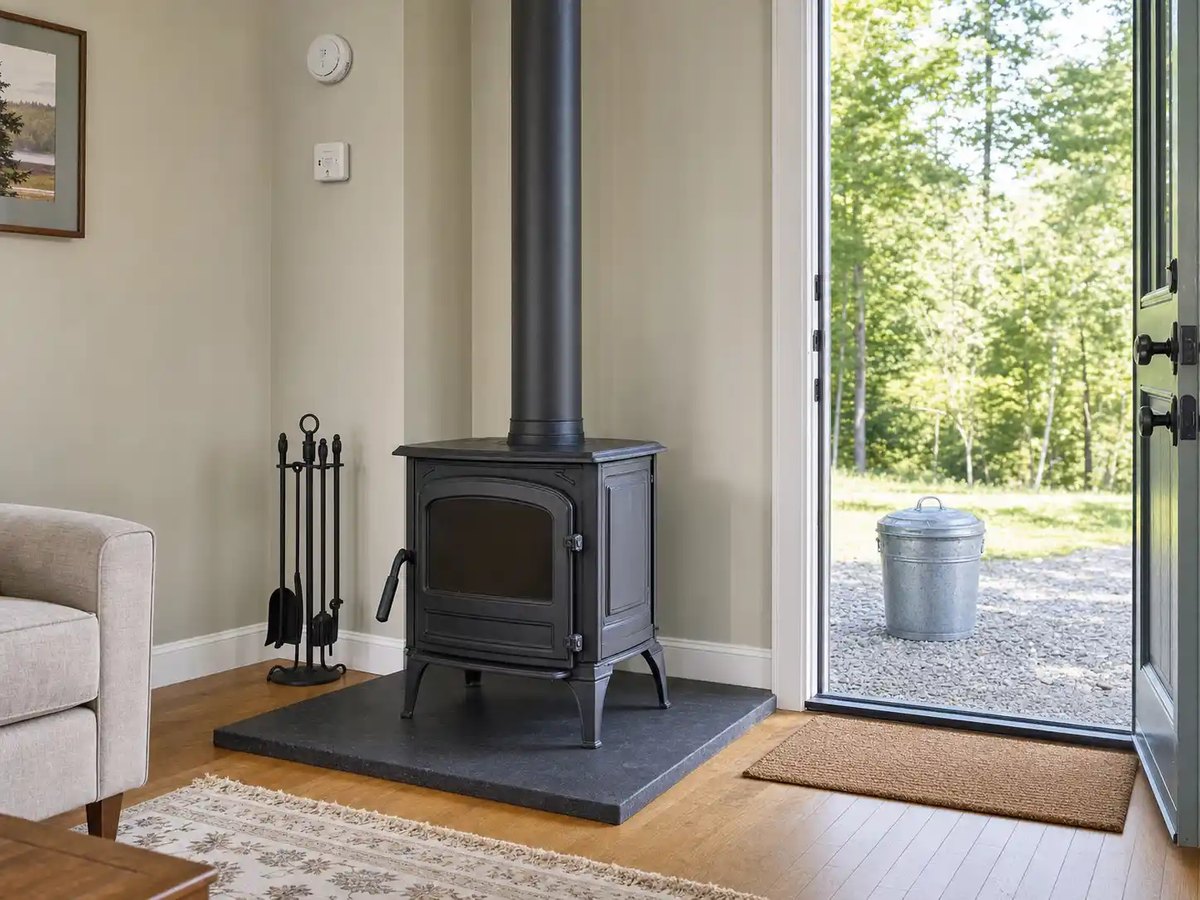
Everyday safety habits protect the household and support accurate risk information.
These habits do not replace a professional inspection, policy compliance, or local requirements. They do show that the stove is part of a deliberate household routine rather than an unmanaged feature of the property.
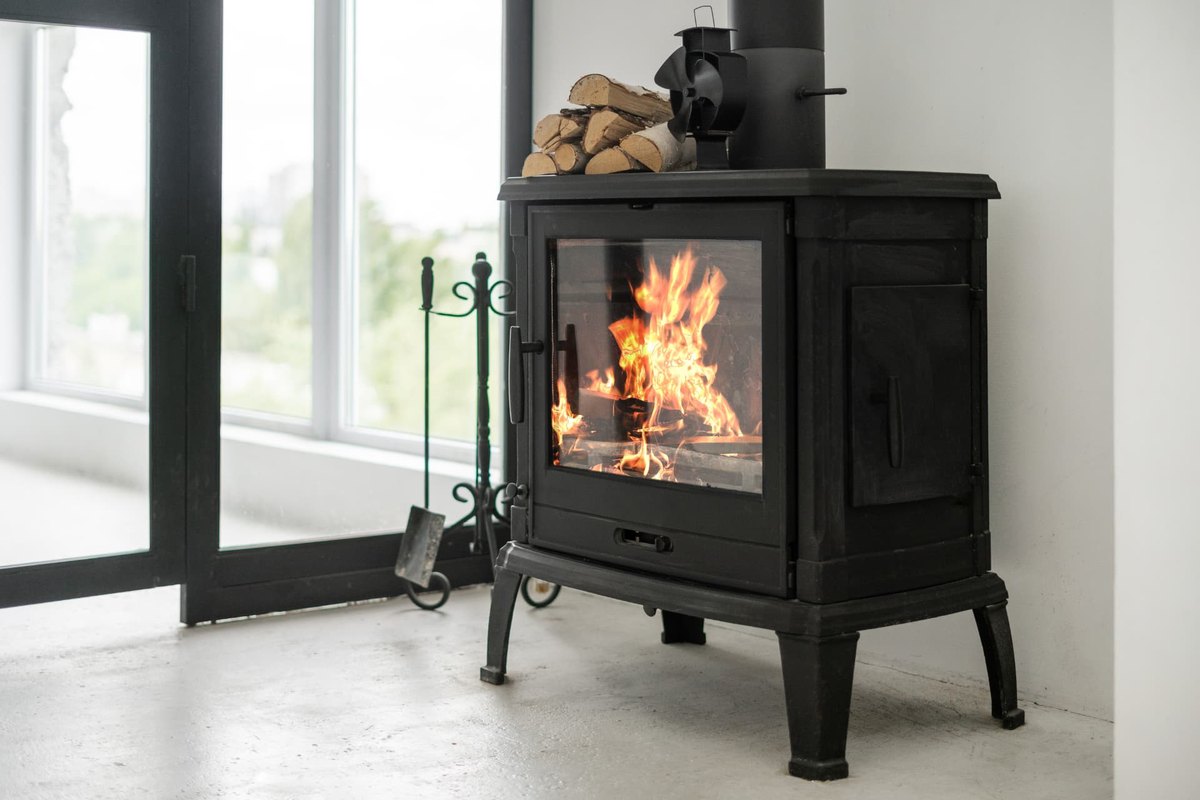
Keeping the area around the stove clear during use is part of everyday clearance safety.
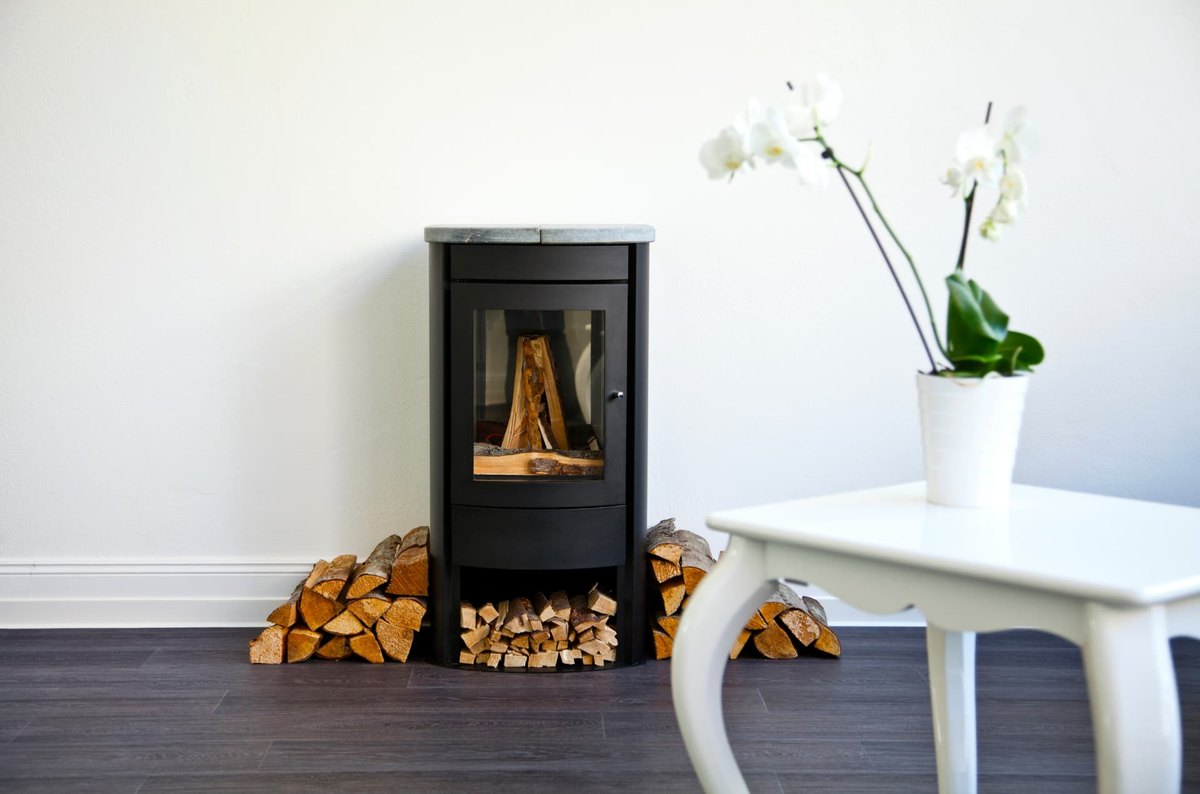
Storing firewood away from the home supports safe, well-managed use.
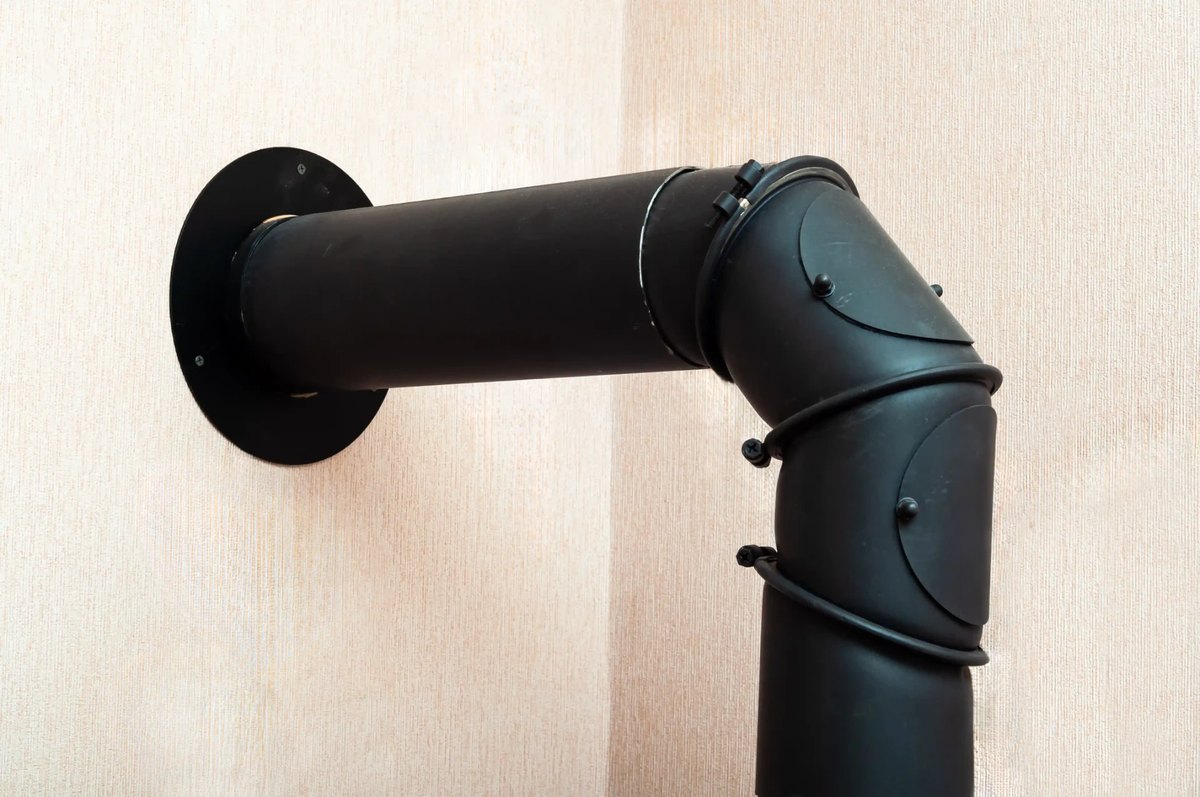
A written installation record helps document the flue and venting connection.
Disclose use and occupancy accurately
Be precise when an agent or application asks about the stove. Explain whether it is your primary heat source, backup heat during outages, supplemental heat, or rarely used. Identify the home's other heating system and say whether the stove is connected and capable of operation.
Also explain how the property is occupied. A year-round primary home, a vacation property, a rental, and a house that sits vacant can raise different questions about supervision and heating. If another person manages the home when you are away, describe that arrangement honestly. Do not call an operational stove decorative or disconnected simply because you use it infrequently.
If you are not certain how to answer, ask the agent what information the insurer needs rather than selecting the closest-sounding option.
Ask policy questions before you bind
A quote is a starting point, not the entire answer. Ask whether the insurer needs a current inspection, a particular professional's report, proof of permits, a listed appliance, or another document before binding or renewal. Ask whether there are conditions that must be completed by a deadline and request those conditions in writing.
Then review the policy itself. Compare limits, deductible, endorsements, and exclusions. Ask how it would evaluate damage involving a chimney fire, smoke, fire spread, or water used to extinguish a fire. The answer can depend on policy language and the facts of a claim, so avoid relying on a verbal generalization.
When you compare quotes, give each insurer the same property information and compare like coverage. Keep copies of applications, reports, emails, declarations pages, and notes of conversations. A quick online indication may still be subject to review, while a request for more information may simply be part of the company's process.
A concise preparation checklist
Before requesting a quote or renewal, assemble the following:
- Stove make, model, serial number, label photos, manuals, and purchase or installer records.
- Hearth, clearance, connector, chimney, liner, cap, permit, and final inspection documentation.
- Most recent professional inspection and cleaning report, plus repair recommendations and completed-work invoices.
- Clear answers about stove use, other heat sources, occupancy, vacancy, rental status, and prior losses.
- The current declarations page, desired limits and deductible, and questions about conditions, exclusions, and endorsements.
A wood stove deserves careful attention, not panic. Good records and honest answers cannot guarantee an offer or claim outcome. They can reduce guesswork, help you address a manageable issue early, and put you in a stronger position to understand the coverage you are considering.
This guide is part of our home insurance blog. To get a clearer picture of where your coverage stands, explore our home page and see how high-risk homeowners compare options, or book a meeting with a licensed agent.
Frequently asked questions
1. Will a wood stove automatically make my home uninsurable?
No. A wood stove is one property characteristic among many. Many insurers will consider a home with a documented, professionally installed, and maintained stove. Others may decline based on their own rules, which is why comparing options matters.
2. What documents should I have ready before I apply?
Have the stove make, model, serial number, and label photos, the installation and permit records, and the most recent professional inspection and cleaning report with any completed repairs.
3. How often should the chimney be inspected and cleaned?
Follow the manufacturer's instructions and the recommendations of a qualified chimney professional. Many insurers ask for a recent inspection, so keeping the written report current is useful regardless of how often you use the stove.
4. Does a building permit mean the insurer will accept the stove?
Not necessarily. A permit or passed local inspection is helpful documentation, but insurers apply their own standards. Ask the insurer what it requires, then supply records that address that request.
5. Should I say the stove is decorative if I rarely use it?
No. Describe the stove accurately. Calling an operational appliance decorative can create problems at renewal or at claim time. Explain how often you use it and whether it is connected and capable of operation.
6. What if the stove was installed by a previous owner?
Share the records you have and say plainly what is unknown. A qualified installer or chimney professional may be able to identify the unit and evaluate the installation so the file is complete.
7. Will a wood stove affect how a fire claim is handled?
Claim outcomes depend on policy language and the facts of the loss. Ask in advance how the policy treats chimney fires, smoke damage, and water used to extinguish a fire, and get the answer in writing when possible.
8. What if my current insurer non-renews because of the stove?
A non-renewal is not the end of the road. Review the steps in our guide on what to do after a non-renewal, and see our complete guide to high-risk home insurance for how hard-to-place homes are handled.
